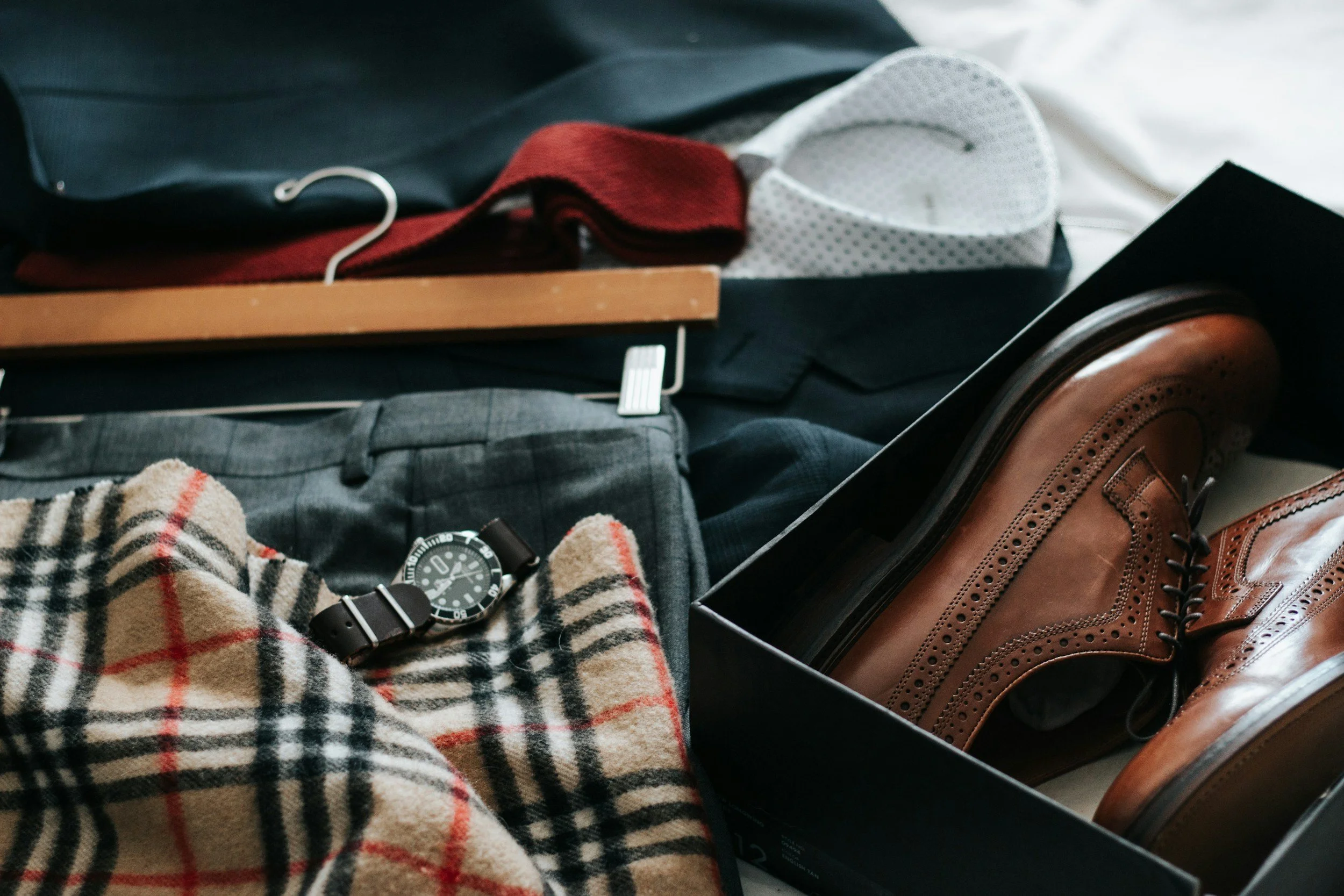
In menswear today the loudest brands don’t always win. Savvy male consumers crave assurance – a feeling that when they zip up a jacket or lace those boots, they’re joining a world they can trust. As consumer psychologist Won‐Moo Hur found, brand trust has outsized impact on men’s buying behaviour: higher trust means loyalty and lower perceived risk. In practice, this means men often favor the familiar or consistent over the flashy and fleeting. A Kent State study confirmed it: established brand names carry a promise of guarantees and trust, whereas “artisan” or unknown labels leave buyers wary. In short, certainty sells. A menswear label that looks organized, restrained and coherent instinctively feels more credible. (Indeed, 81% of shoppers say trust in a brand is a deal-breaker before they buy.) Men don’t want to gamble their image on a random trend; they want visual cues – from logos to color palettes – that signal stability and expertise.
Men also tend to bring preconceptions to shopping (Kent found men “hold on to preconceived notions” more stubbornly than women). In practice, this means a brand’s identity must quickly match what men expect from that category. If your line is supposed to be rugged and outdoorsy, it had better feel rugged in every detail; if it’s tailored and refined, it must behave refined. Studies on enclothed cognition show why: wearing formal, well-fitted clothing literally boosts performance and power‐feelings. One experiment found men in suits negotiated far better deals than the same guys in sweats. In other words, the look matters – but not in a fast-fashion way. Men are essentially buying the confidence that clothes give them.
Designing Trust: Visual Restraint and Consistency
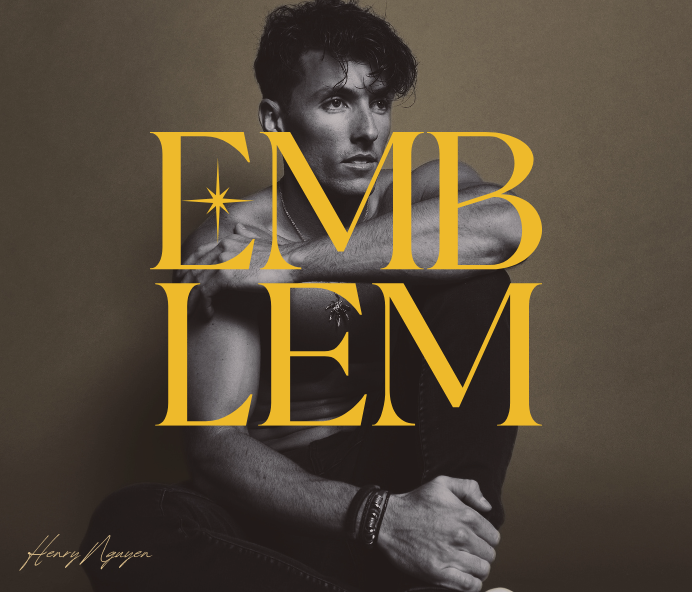
A brand’s visual identity is its first handshake with customers – it must look trustworthy. Design experts stress that consistency is reassurance. Every touchpoint (logo, store décor, website, packaging) should feel like it belongs to the same universe. When visuals match from Instagram to shoebox to storefront, customers (especially men) interpret it as a sign the company is organized and here for the long haul. In contrast, a chaotic or inconsistent identity breeds doubt.
Key principles of “visual trust” include:
Uniform Typography & Logos. The font you choose says something: serif or classic letterforms often signal tradition and reliability, while gimmicky typefaces can look amateurish. (Even research hints at this subconscious reading: finance and government logos are mostly serifs for a reason.) A luxury menswear brand usually picks a strong, simple typeface and sticks to it everywhere.
Restrained Color Palettes. Quiet, muted tones (navy, olive, charcoal) feel safe; a single accent color can work but too many loud hues suggest inconsistency. Color psychology tells us blue conveys safety and reliability, whereas neon or wild contrasts might excite attention but make a brand look unpredictable. Most successful menswear labels stick to neutrals or a few signature colors, which men can easily “slot into” with existing wardrobe staples.
Clean Layouts & Simplicity. Clutter-free design makes a message clear and confident. Marketing studies note that overly complex or busy designs confuse viewers, whereas clean, minimalist layouts help people absorb key information quickly, boosting comprehension and confidence. (Think: Apple’s homepage or UNIQLO’s site – plenty of white space, straightforward navigation.) A well-structured lookbook or website – with clear headings, short text blocks, and a simple grid – tells customers “we have our act together.”
Ultimately, simplicity signals strength. In Silicon Valley they say “brands that don’t chase you are often the strongest.” As a recent analysis put it, the “Quiet Luxury” trend in fashion thrived because it “didn’t chase attention; it earned trust”. In a culture fatigued by noise, a minimalist but high-quality aesthetic stands out as confident, not timid – it whispers while others scream.
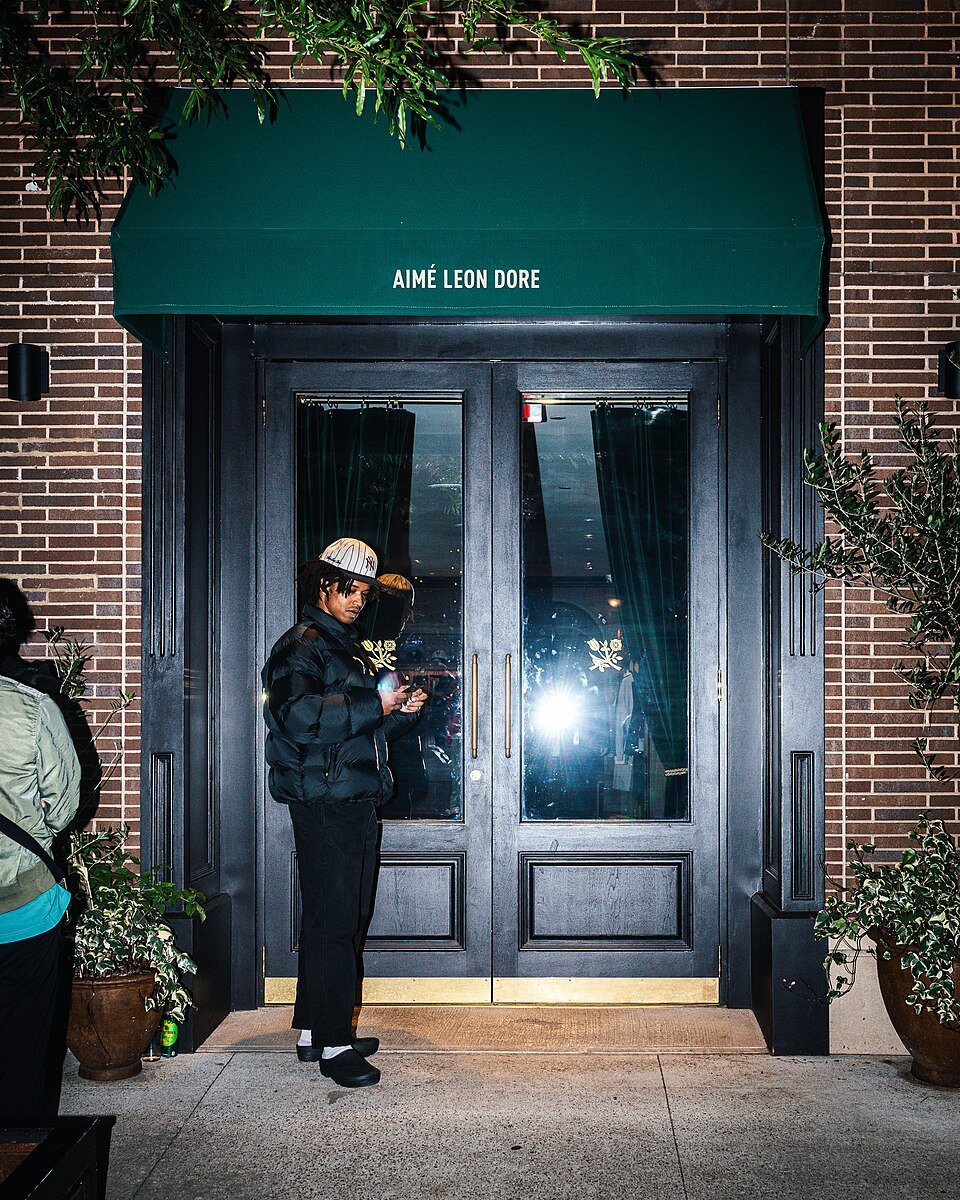
Teddy Santis’s New York label Aimé Leon Dore (ALD) is a case study in selling a world, not just clothes. ALD deliberately avoids the flash and frenzy of runway hype. Its brand universe – vintage‐inspired sportswear shot in old-school studio lighting – conveys a specific sensibility. “When you’re buying into ALD, you’re buying into a world – you’re buying into a perspective more than a garment,” Santis explained to The New York Times. ALD’s identity blends ’90s hip-hop cool with Ivy-prep polish (Santis cites Ralph Lauren as a hero), but it does so with discipline. Every lookbook, store, and collaboration (from New Balance to Porsche) feels like one coherent narrative.
This consistency creates trust. Fans know that any ALD jacket or hoodie will embody the same values: understated luxury and New York street cred. It even influenced ALD’s business model: after LVMH took a stake in 2022, Santis pulled back from wholesale to focus on just two flagship stores and its online shop – ensuring total control over the brand experience. The result is a near cult-like loyalty: wearing ALD isn’t about shouting logos, it’s about quietly signaling membership in Santis’s carefully assembled community.
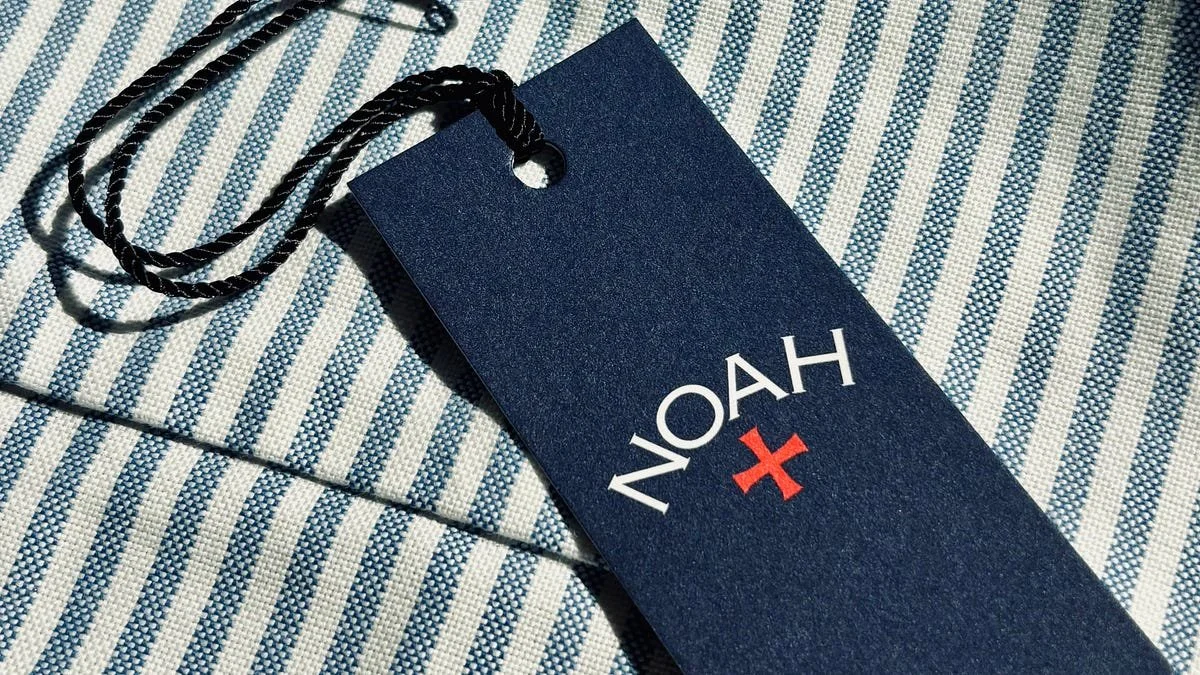
Brendon Babenzien’s Noah turned heads by not being like any other streetwear label. It offered classic prep staples (plaid shirts, needlepoint belts) alongside skate-ready pieces. Babenzien — formerly Supreme’s design director — was adamant: Noah isn’t about chasing “the moment.” In a GQ interview he insisted, “every season we’re going to do some variation on classics. I might throw in a little zinger, but you’re not going to see us out of the blue be inspired by something…[faddish]”. In short, “we’re more consistent than that — that’s why we’re not a fashion brand… [we’re] more like a staple brand.”
This philosophy echoes in Noah’s branding. Their store (pictured above) feels like a gentleman’s lounge crossed with a surf club – warm wood floors, vintage art, and simple fixtures. The visuals never scream “urgent sale” or “in-your-face drop.” Instead, they project relaxation and trust. The product photography is clean and steady; the brand’s Instagram is thoughtful (even closing on Black Friday, in protest of mindless consumerism). Noah sells the assurance of quality and ethics, not flash-in-the-pan trends. Its customers know exactly what style they’re signing up for: a measured blend of heritage and edge, repeated season after season.
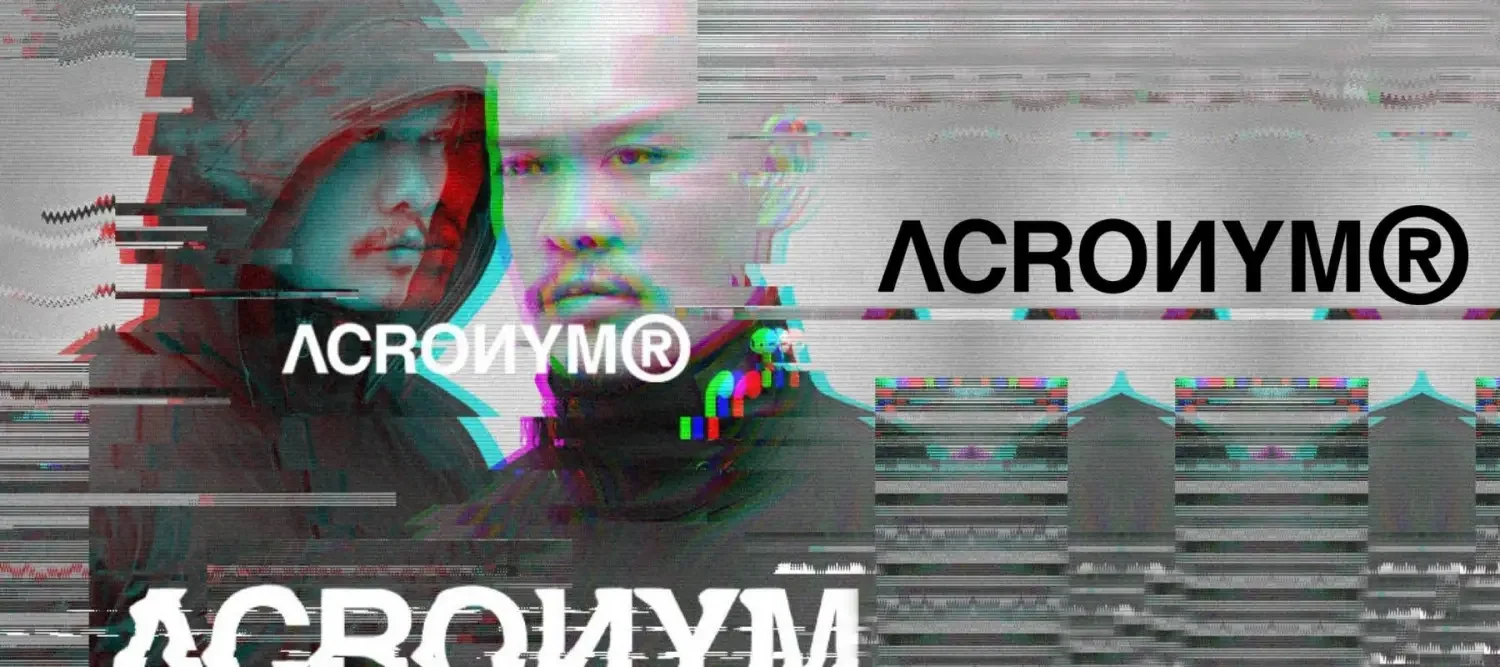
While ALD and Noah thrive on a blend of past influences, Errolson Hugh’s German label ACRONYM carved a different niche: the future. Acronym is known for obsessively engineered apparel – fasteners, waterproof membranes, articulation panels – designed for an unpredictable world. Hugh once described his brand as “preparing for an uncertain future… like clothing for science fiction.”. There are no logos on an Acronym jacket; the message is in the detail. Customers implicitly trust the brand because every stitch and zipper is rigorously tested.
This extreme focus on practical perfection projects certainty. In 2013 Acronym even helped reimagine Nike’s ACG line, bringing a stealthy technical edge to mass-market products. Fans recognize the code: if a piece has the small yellow keychain or signature Gore-Tex panels, it’s Acronym, and it will perform. The brand’s quiet color scheme (mostly black, gray, olive) and corporate‐military aesthetic reinforce the message: “We mean business.” In this way, Acronym exemplifies how even avant-garde menswear earns trust through consistency in quality and vision, not by shouting a name.
Zegna – Timeless Tailoring Over Trendy Themes
At the far end of the spectrum lie century-old luxury houses like Ermenegildo Zegna. Under creative director Alessandro Sartori, Zegna has doubled down on timelessness. The brand even shortened its name to “Zegna” and launched a clean, contemporary logo to signal a fresh start. But the ethos remains classic: Sartori says they aim to “own a specific tailored look… garments that are easy to wear, uncomplicated and work across the seasons”. In practice, that means beautifully made blazers you can throw on with jeans, or cashmere layers that move from morning meetings to evening wine.
Zegna’s commitment to longevity is literal. The Lanificio Ermenegildo Zegna (pictured above) is a 1919 wool mill in Piedmont, Italy – and it still produces many of the fabrics used today. Embedding heritage in its identity, Zegna communicates to male customers: “Invest in us and your suit will last.” As Sartori puts it, there’s a “beautiful middle ground” where you can look modern yet remember that clothing needs to serve real men. With Zegna, each collection is framed as a building block for a refined wardrobe, not a wild detour. The client can trust that any Zegna piece, from a $1500 jacket to a $10,000 coat, is part of a cohesive vision of classic modern masculinity.
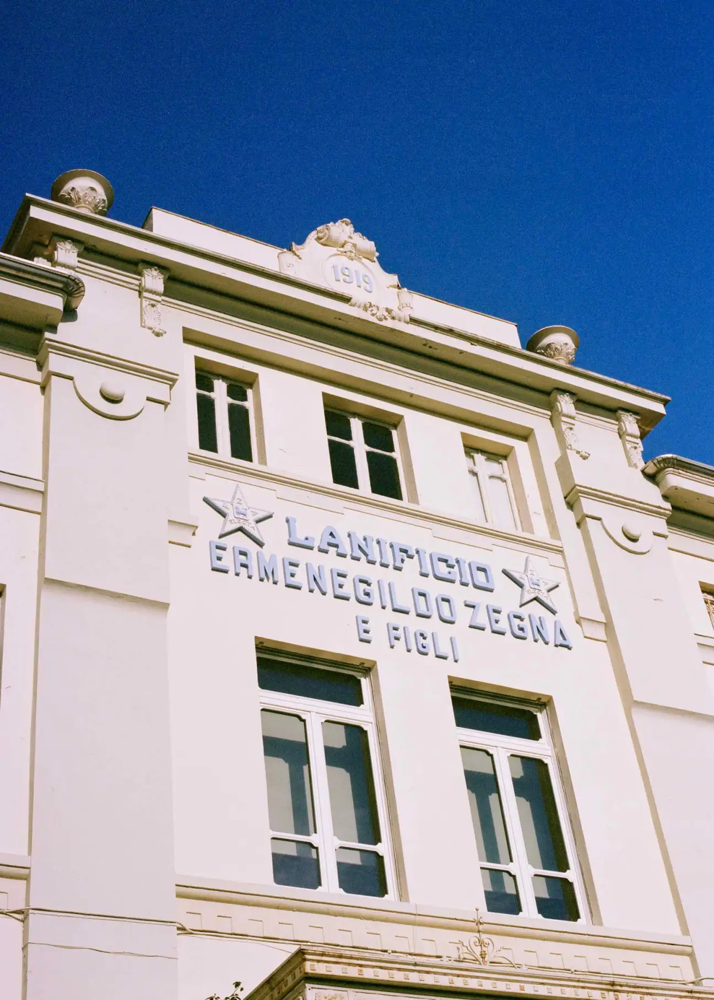
An original Zegna factory building in Italy (est.1919), underscoring the brand’s century-long focus on craft and consistency.
Brunello Cucinelli – Ethics and Quiet Luxury
Brunello Cucinelli’s brand is almost a manifesto in itself: “humanistic capitalism,” as he calls it. The Italian cashmere house sells not just sweaters, but the idea that every product is made with human dignity and artisan pride. The quiet, neutral palette (tan, gray, navy) and absence of garish logos are deliberate: Cucinelli wants customers to feel that a purchase is an ethical choice. “When you buy this product you feel better,” he once said, “because you bought a product that… respects the work that goes into the product”.
For men, Brunello’s approach is soothing: the brand basically says, “Relax, this is good quality and good conscience.” In a flashy world, a Brunello sweater or jacket becomes a safe harbor of trust. The visual language of Brunello Cucinelli stores – soft lighting, handcrafted wooden fixtures, and an emphasis on artisan imagery – reinforces this calm authority. It’s subtle messaging: “We take care of the details, so you don’t have to worry.” In effect, Cucinelli’s menswear appeals through its quiet consistency and values, sending the signal that a strong, ethical brand can be counted on.
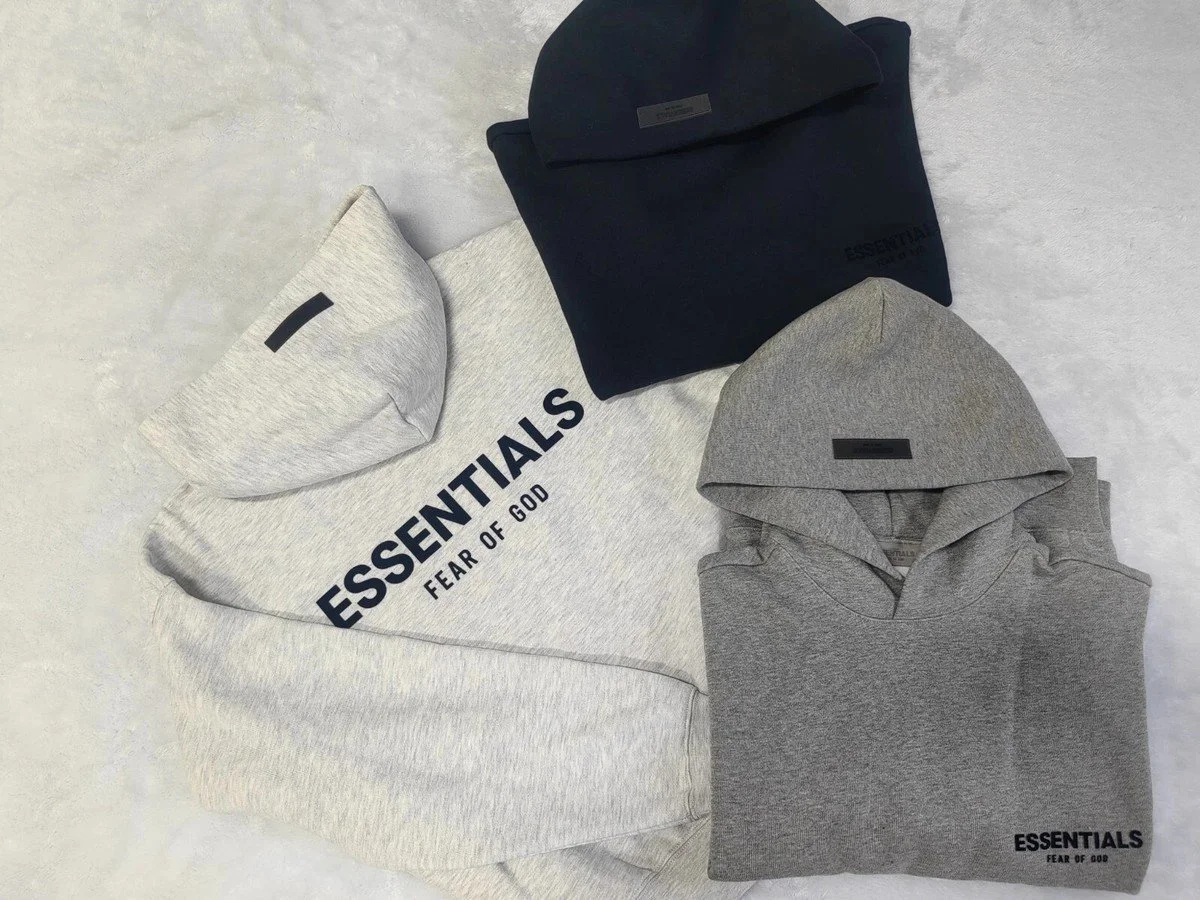
Jerry Lorenzo’s Fear of God similarly trades noise for a narrative of sincerity. Early Fear of God collections were based on medieval and monastic visuals; Lorenzo talks about his faith influencing every design. As one profile notes, he “was never one to chase fleeting hype”. His mantra: garments should carry an authentic story. He once said of the label: “It wasn’t about loud logos; it was about quiet confidence and a refined, introspective aesthetic.” And indeed, each hoodie or shirt comes in a neutral tone, with cut proportions meant to evoke timeless silhouettes.
At its core, Fear of God asserts that substance is the style. Lorenzo’s one big quote – "Fashion should reflect truth, I’m not trying to sell you a fantasy – I’m showing you something real." – could be the thesis of this whole article. His success (from Kanye to Justin Bieber wearing it) shows that in menswear there is immense power in honesty. The message to male customers is: you’re not buying drama, you’re buying an honest product. That perceived authenticity builds certainty.
How to Brand for Certainty: Key Takeaways
Tell a coherent story. Like ALD or Noah, your brand narrative should be crystal-clear. Every photo, store design and product should feel like part of one universe. As ALD’s Teddy Santis put it: buying his clothes is “buying into a perspective more than a garment”.
Be consistent season after season. Avoid frantic “inspired-by-the-moment” pivots. Brendon Babenzien of Noah sums it up: their label is “more like a staple brand… every season some variation on classics”. This doesn’t mean boring – it means your unique point of view is steady, building trust.
Use design as trust-building. Follow the design rules above: a limited palette, classic typography, simple layouts. These choices send subconscious signals of reliability. Even packaging should be considered (a sturdy box, a neat logo stamp) to reinforce quality at first touch.
Show, don’t just tell. Real workwear or tailoring details can speak volumes. Zegna’s new lines emphasize “easy to wear” multifunctional pieces. Fear of God’s Bible‐inspired cuts quietly advertise depth. Ensure your visuals (in ads or lookbooks) illustrate the lifestyle you promise – or better yet, the life your ideal customer already leads.
Lean into values over hype. In a market burned out on logos and drops, restraint itself is a statement. The so‐called “quiet luxury” movement proved that underplayed branding can sell composure and trust. Highlight craftsmanship and ethical stories (Brunello’s humanistic ethos, Noah’s responsible sourcing, ALD’s community roots) so men feel the brand is one they can believe in for years.
In today’s noisy menswear landscape, brands that promise certainty win. Loud graphics, gimmicks or ultra-fast trend cycles might grab headlines, but they rarely win the long game. Men buy clothes to help them feel confident and in control – and a well-branded shirt or suit should reinforce that feeling. The most successful menswear labels understand this psychologically: they speak softly but carry the weight of consistency. When a man puts on a garment from such a brand, he isn’t just getting a look – he’s getting the comfort of a trusted identity. In the words of one recent marketer, “Quiet luxury didn’t sell products; it sold composure”. In other words: in fashion, as in life, certainty is king.