Most Luxury Brands Feel Cheap (And Don’t Know Why)
The hidden branding mistake that’s costing you authority, trust, and premium perception
Luxury Has a Perception Problem
Most brands don’t fail at luxury because of product.
They fail because of doubt.
A slightly inconsistent logo.
A website that feels “almost there.”
Packaging that doesn’t match the price.
Individually, these feel minor.
Collectively, they create hesitation.
And hesitation is the opposite of luxury.
Because luxury isn’t about how something looks.
It’s about how quickly it feels safe to choose.
Luxury Is Not Logical—It’s Psychological
Here’s where most brands get it wrong.
They think customers are evaluating:
Materials
Craftsmanship
Price
They’re not.
Research on fashion consumer behavior shows that emotional responses outweigh objective product attributes when customers choose between similar luxury items.
Another study in Fashion and Textiles reinforces this: consumers don’t build relationships with brands through facts—they build them through feelings, experiences, and emotional connection.
Translation?
People don’t buy luxury because it’s better.
They buy it because it feels certain.
Certainty Is the Real Product
Luxury brands aren’t selling clothing.
They’re selling:
Confidence
Status
Identity
Reassurance
Academic research on luxury consumption shows that these purchases are deeply tied to self-concept and social identity, not just to function.
That’s why two products of equal quality can perform completely differently.
One feels:
“This is exactly right.”
The other feels:
“I think this works…”
That small gap?
That’s where money is lost.
Where Most “Luxury” Brands Break
This is the uncomfortable part.
Most brands introduce doubt without realizing it.
1. Inconsistency
Different typography across platforms.
Shifting color palettes.
Unstructured layouts.
Research shows branding is communicated through entire visual systems, not just logos .
If your system isn’t tight, your brand isn’t trusted.
2. Over-Designing
Trying too hard to look premium:
Excessive detail
Too many elements
Overly complex visuals
Luxury doesn’t try to impress.
It assumes it already has.
3. Trend Dependence
Following what’s current instead of building what lasts.
Menswear especially moves slower by design—because customers value continuity over constant change .
If your brand looks different every season, it doesn’t feel established.
It feels unstable.
4. Disconnected Experience
High-end product.
Mid-tier website.
Low-effort packaging.
Luxury breaks the moment the experience doesn’t match the promise.
The Psychology of “This Feels Expensive”

Let’s get specific.
Why do some brands feel premium instantly?
Because they remove friction.
Consistency → Trust
When everything aligns, the brain relaxes.
Consistency signals:
Control
Experience
Reliability
Restraint → Confidence
Minimal doesn’t mean empty.
It means nothing unnecessary exists.
That’s power.
The rise of “quiet luxury” proves this—brands that reduce noise and focus on clarity are perceived as more trustworthy and refined.
Clarity → Decision Ease
Luxury works best when the customer doesn’t have to think.
The choice feels obvious.
Effortless.
Certain.
Case Study: When Luxury Feels Inevitable
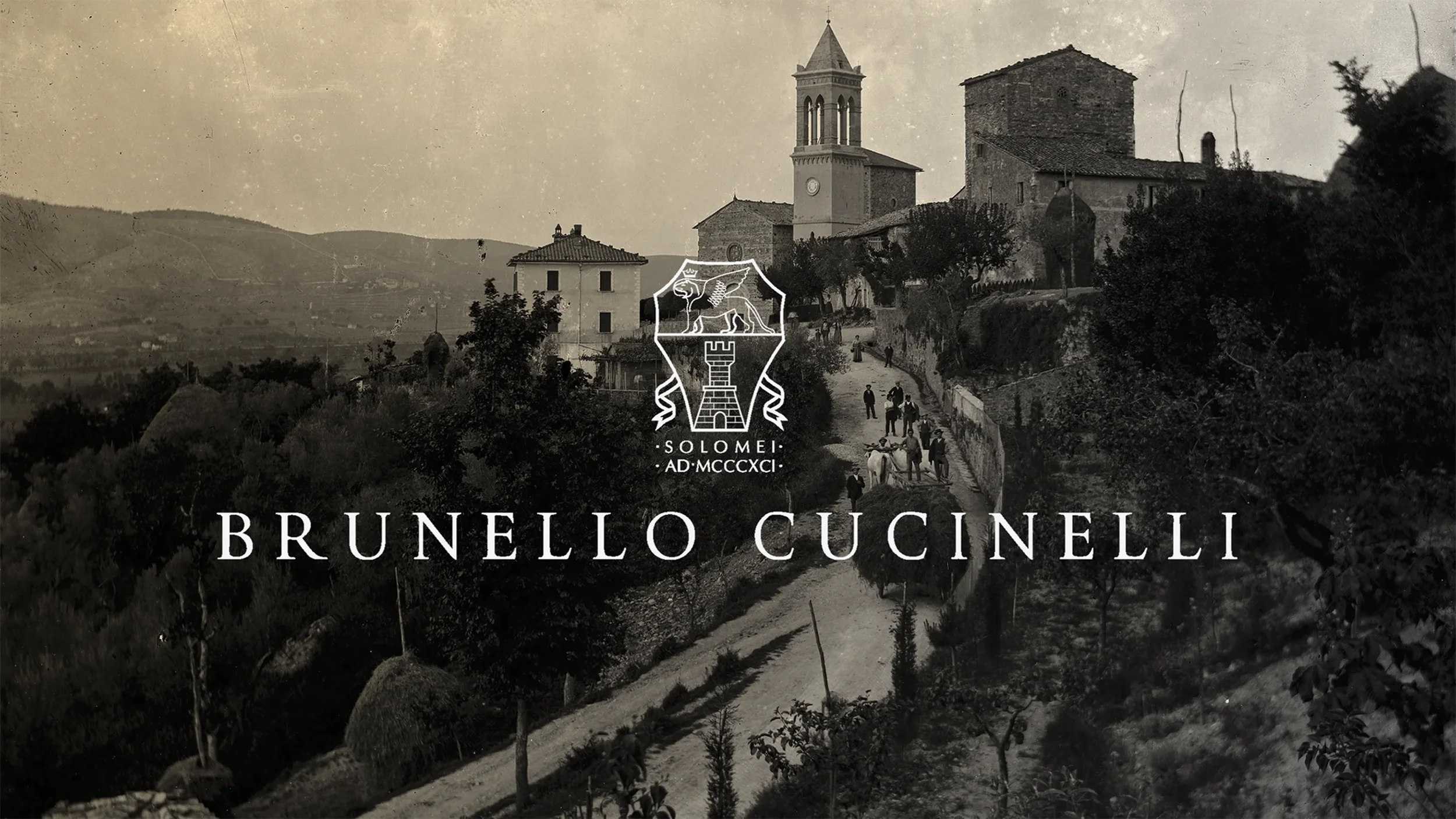
Take Brunello Cucinelli.
Everything about the brand communicates control:
Neutral palettes
Consistent typography
Architectural retail spaces
Refined, minimal digital presence
But more importantly—it’s predictable in the right way.
Customers know exactly what they’re getting:
Craftsmanship
Calm
Sophistication
That predictability builds trust.
And trust builds price tolerance.
Now compare that to the average “luxury” startup:
Bold but inconsistent visuals
Trend-heavy branding
Disconnected touchpoints
It might look impressive at first glance.
But it doesn’t feel stable.
And if it doesn’t feel stable, it doesn’t feel expensive.
The Cost of Uncertainty
This isn’t just aesthetic.
It’s financial.
When your brand feels uncertain:
Conversion rates drop
Customers hesitate
Price resistance increases
Loyalty weakens
Because uncertainty creates risk.
And luxury buyers don’t want risk.
They want reassurance.
Designing Certainty (What Actually Works)
If you want your brand to feel premium, stop adding.
Start refining.
1. Eliminate Visual Noise
If it doesn’t serve the brand, remove it.
2. Standardize Everything
Typography, spacing, layouts, color—locked in.
Consistency is your strongest signal.
3. Design Systems, Not Assets
Logos don’t build brands.
Systems do.
4. Commit to a Clear Identity
Luxury brands don’t experiment publicly.
They decide—and stay there.
5. Focus on Longevity Over Attention
Trends get attention.
Consistency builds authority.
The Truth Most Designers Miss
Luxury isn’t about making something look expensive.
It’s about making it feel unquestionable.
No hesitation.
No confusion.
No second-guessing.
Because when a customer chooses a luxury brand, they’re not just buying a product.
They’re buying the confidence that they chose correctly.
And if your brand doesn’t deliver that?
It doesn’t matter how good it looks.
It will always feel cheaper than it should.
Final Thought
Most luxury brands don’t need better design.
They need better decisions.
Because in the end—
Luxury isn’t built by adding more.
It’s built by removing doubt.