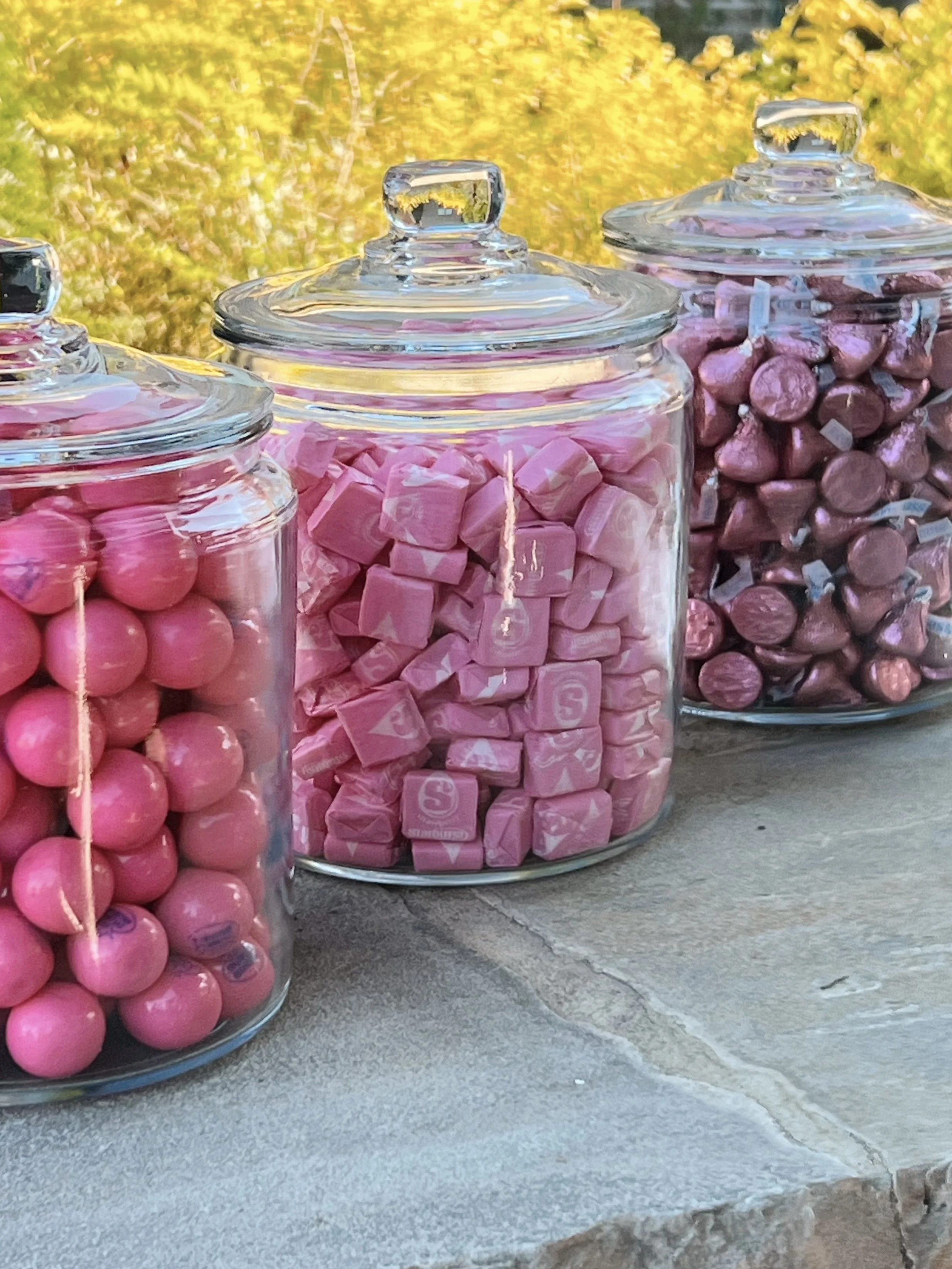
People do not fall in love with gourmet candy at first bite.
They fall in love with anticipation.
Before a customer tastes the chocolate, unwraps the caramel, or experiences the texture of a handcrafted confection, they have already begun forming expectations. Those expectations are created through branding.
The most successful gourmet candy brands understand something many confectionery companies overlook:
They are not simply selling flavor.
They are selling temptation.
The desire begins long before consumption. It begins with the packaging, the color palette, the typography, the photography, and the emotional atmosphere surrounding the product.
Recent research published in Scientific Reports found that packaging significantly shapes emotional responses, perceived quality, taste experience, and even willingness to pay before the product is consumed. The study demonstrated that color, texture, scent, and unboxing interactions all influenced how participants evaluated the same chocolate product. In many cases, the package changed the perceived experience of the chocolate itself.
For luxury candy brands, this changes everything.
Because the strongest confectionery brands are not merely designing products.
They are designing cravings.
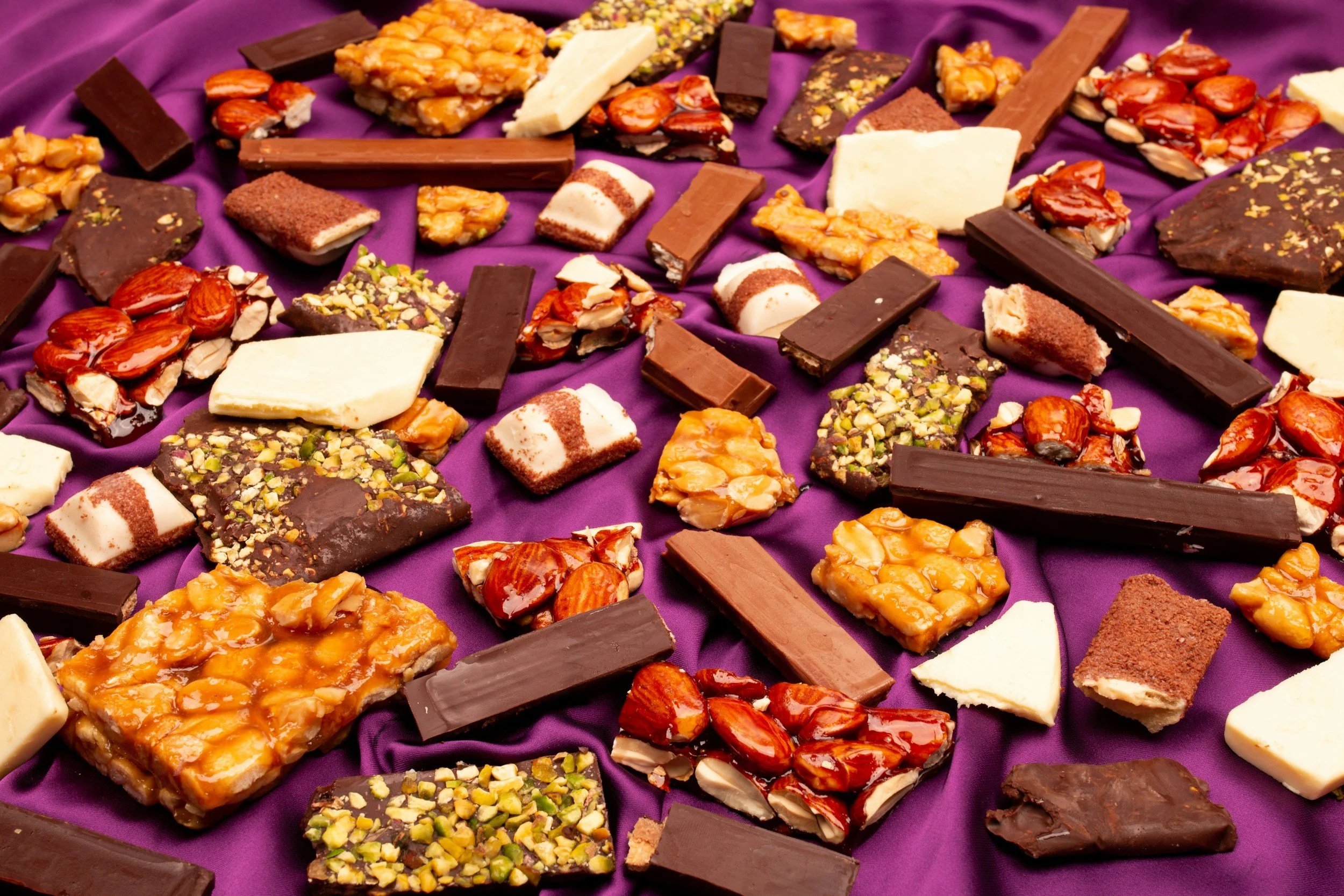
Candy Is Emotional, Not Practical
Nobody needs gourmet candy.
People buy it because of what it represents.
Comfort.
Celebration.
Reward.
Romance.
Escape.
Nostalgia.
Candy exists in a category where emotional value often outweighs functional value. Unlike necessities, confectionery purchases are rarely driven by utility. They are driven by feeling.
This is why luxury candy branding performs best when it positions itself as an experience rather than a snack.
The purchase is often tied to a moment:
A gift.
A celebration.
A personal reward after a difficult week.
A nostalgic reminder of childhood.
A small luxury in the middle of an ordinary day.
The product becomes symbolic.
Customers are not purchasing sugar.
They are purchasing emotion.
This emotional framing is one reason premium confectionery continues to command higher perceived value despite increasing market saturation. The strongest brands understand that consumers rarely remember products logically first.
They remember them emotionally.
Packaging Is the First Bite
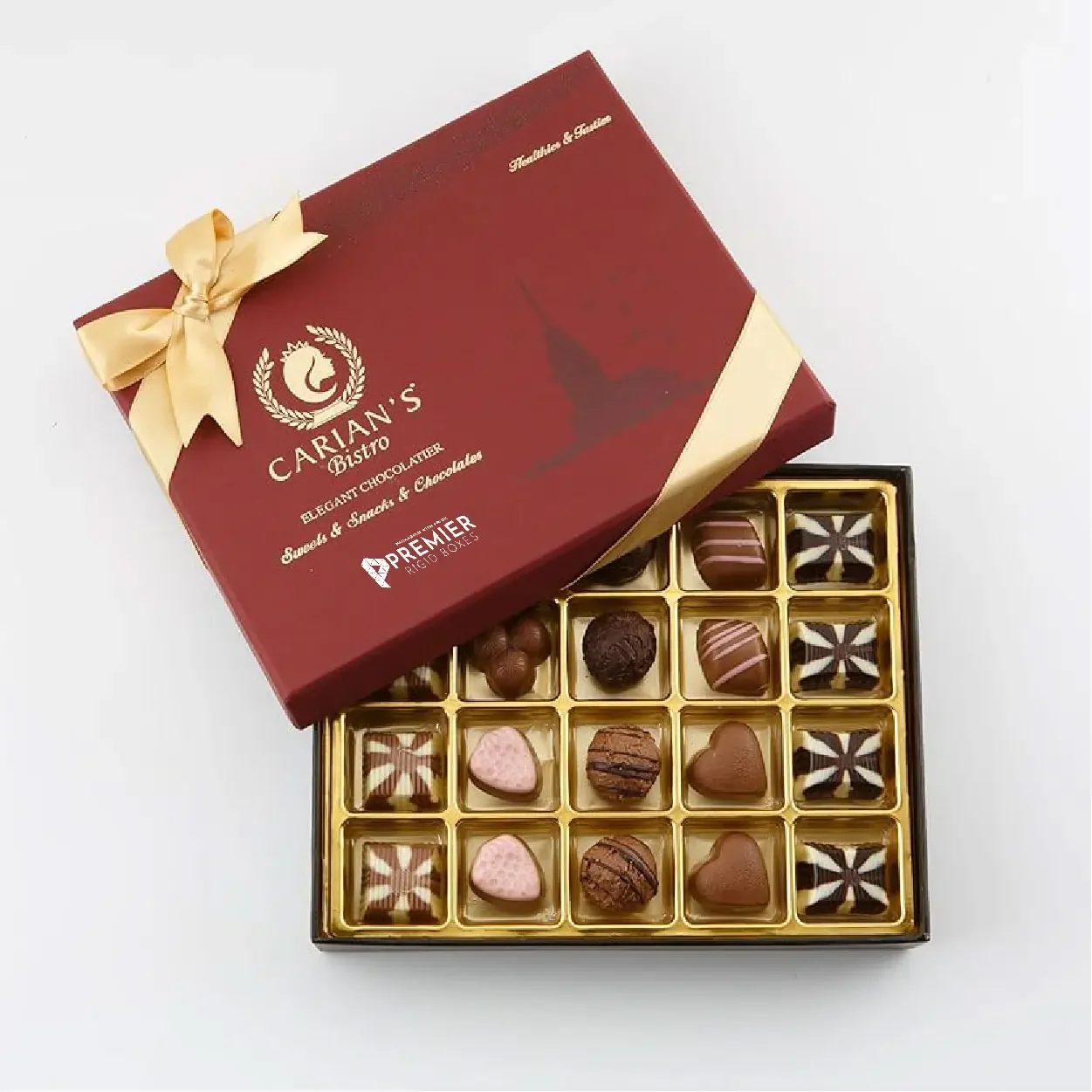
In luxury confectionery, packaging is not decoration.
It is psychological framing.
Before a customer tastes the candy, they experience the package.
And that experience shapes everything that follows.
Research on multisensory packaging has shown that texture, color, structure, and unboxing mechanics significantly influence perceived luxury, attractiveness, emotional engagement, and willingness to pay. More elaborate opening experiences were consistently rated as more desirable.
This is why premium candy brands obsess over physical presentation.
Rigid boxes.
Embossed logos.
Foil stamping.
Ribbon closures.
Heavy paper stocks.
Textured surfaces.
These choices do more than communicate aesthetics.
They communicate value.
Luxury packaging intentionally slows the customer down.
It transforms opening the product into part of the experience.
Brands such as Sugarfina, Venchi, and Compartés have mastered this principle. Their packaging feels closer to luxury gifting than traditional confectionery.
That distinction matters because many gourmet candy purchases are made as gifts.
The package becomes an extension of the product itself.
In many cases, customers experience the packaging before they experience the candy.
And first impressions are remarkably difficult to reverse.
Designing Cravings Through Color and Texture
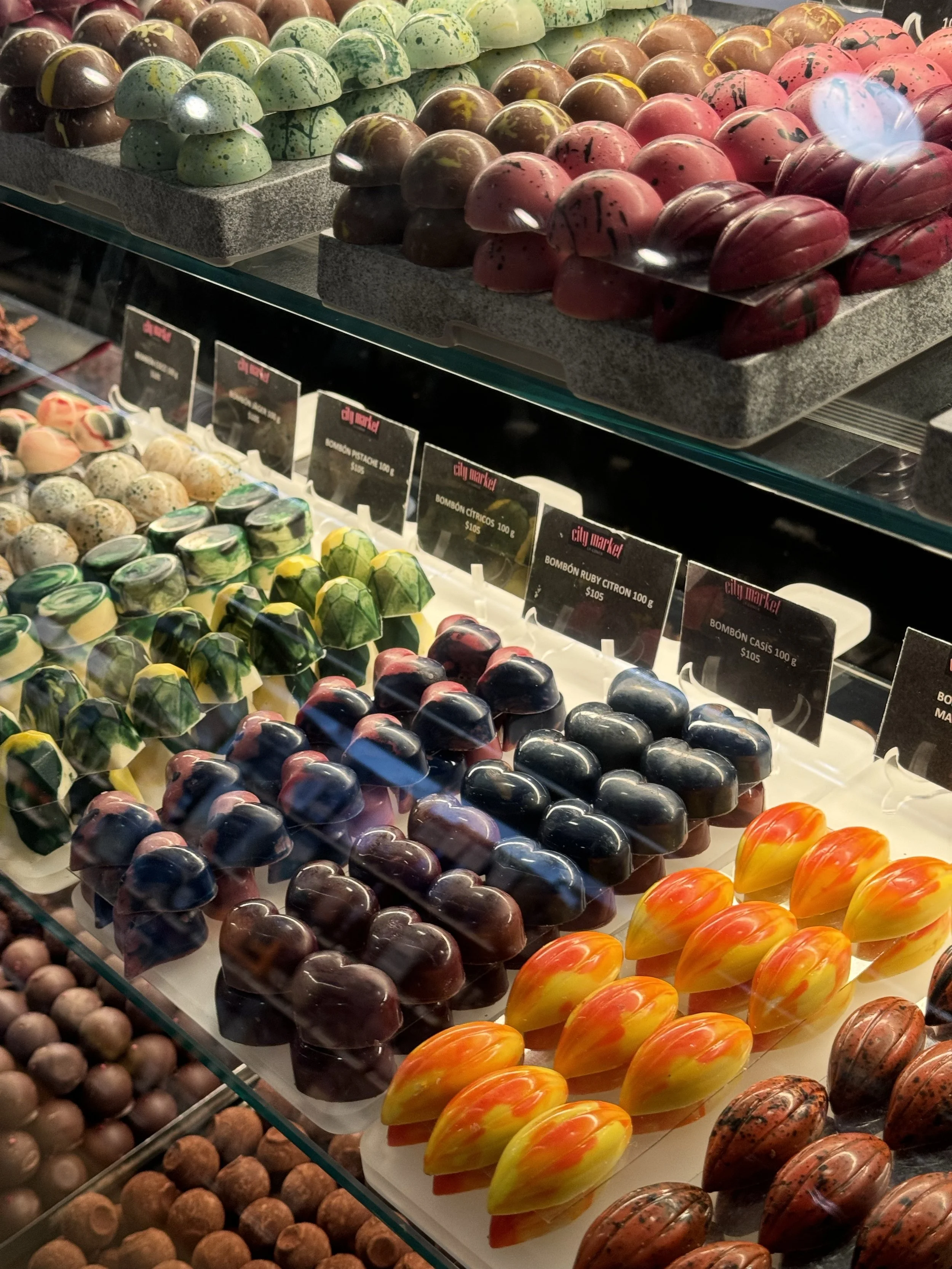
Flavor begins visually.
Consumers start making assumptions about taste before they ever consume a product.
Color psychology plays an enormous role in confectionery branding because visual cues influence expectations.
Research into color and emotional response in food branding has shown strong relationships between color palettes and consumer perception. Bright colors are often associated with excitement and surprise, while more restrained palettes communicate sophistication, luxury, and refinement.
Luxury confectionery brands often leverage these associations intentionally.
Deep jewel tones suggest richness.
Black and gold imply indulgence.
Soft pastels communicate delicacy.
Vibrant colors suggest playfulness and energy.
Texture contributes as well.
Matte finishes often feel artisanal and handcrafted.
Gloss finishes feel sweeter, more energetic, and more contemporary.
Even product photography participates in this sensory design system.
Luxury candy photography rarely focuses solely on the product.
Instead, it creates atmosphere.
Soft shadows.
Rich lighting.
Macro textures.
Editorial compositions.
The objective is not simply to show the candy.
It is to make consumers imagine the experience of consuming it.
Nostalgia Is One of the Most Powerful Ingredients
Many luxury confectionery brands succeed because they understand something deceptively simple:
Adults still want to feel like children.
Just with better taste.
Nostalgia remains one of the strongest emotional triggers available in branding because it creates psychological comfort and familiarity.
The best candy brands do not recreate childhood literally.
They reinterpret it.
This distinction separates sophisticated nostalgia from childishness.
Sugarfina built much of its identity around this principle.
The brand positioned itself as a "grown-up candy boutique," transforming familiar sweets into elevated luxury experiences.
Similarly, historic confectionery houses such as Maison Boissier leverage heritage, storytelling, and visual refinement to create emotional continuity between past and present.
The result is a unique emotional tension:
The customer feels both nostalgic and sophisticated simultaneously.
That combination is extraordinarily powerful.
Because nostalgia lowers resistance.
And luxury elevates perceived value.
Together, they create desire.
Tony's Chocolonely: When Branding Becomes a Mission
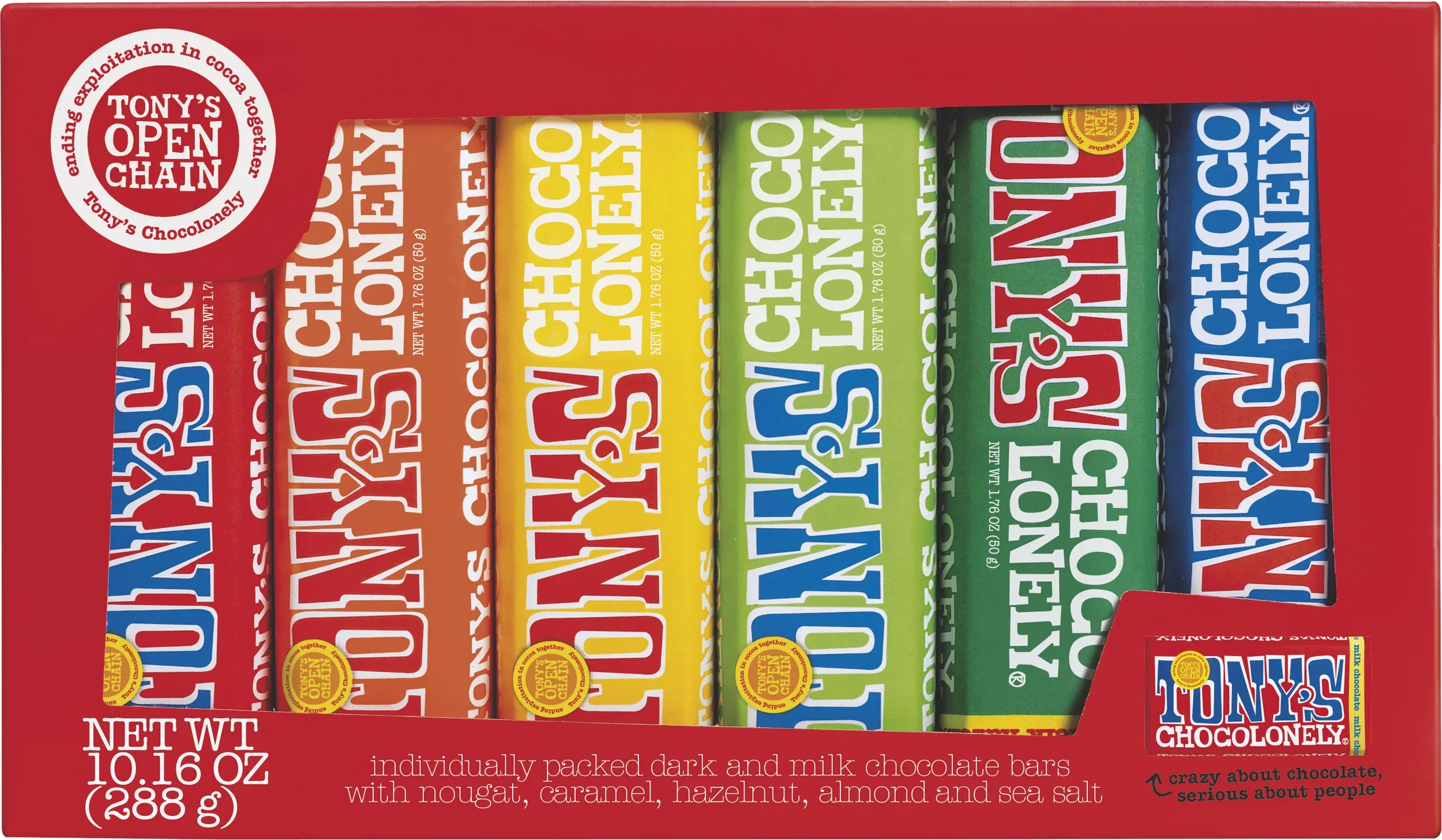
Chocolate with a message of ethics and impact
Most luxury confectionery brands focus on indulgence.
Tony's Chocolonely built an empire around responsibility.
And somehow made it visually irresistible.
The brand's mission is clear:
To make 100% exploitation-free chocolate the norm.
Rather than hiding this message behind corporate language, Tony's embedded it directly into its design system.
Its packaging is loud.
Bold.
Playful.
Intentionally disruptive.
The bright wrappers immediately stand apart from traditional premium chocolate aesthetics that often rely on muted luxury cues.
Even more interesting is the chocolate bar itself.
Tony's famously uses uneven chocolate segments to symbolize inequality within the cocoa industry.
The product literally communicates the brand's mission through form.
This is branding operating at its highest level.
Not simply visual identity.
Meaning embedded into design decisions.
The company has continued strengthening this position through initiatives like Tony's Open Chain and legal structures designed to protect its ethical mission long-term.
The result is a brand that demonstrates an important lesson:
Packaging can communicate ideology.
Not just flavor.
Not just luxury.
Belief.
And belief creates memorability.
Craveability Is Designed, Not Accidental
The strongest confectionery brands engineer desire intentionally.
Typography influences tone.
Product names influence anticipation.
Photography influences appetite.
Composition influences perceived value.
Social media influences emotional attachment.
Nothing is accidental.
The brands that consistently feel irresistible understand that every visual decision contributes to a larger emotional system.
Customers may not consciously analyze these details.
But they feel them.
And often, feeling is enough.
Why Some Gourmet Candy Brands Still Feel Cheap
Ironically, many premium candy brands undermine themselves before customers ever taste the product.
The most common mistakes include:
Generic packaging.
Weak typography.
Inconsistent photography.
Overcrowded visual systems.
Poor material choices.
An overreliance on trends.
Perhaps the biggest mistake is confusing handmade with unrefined.
Consumers appreciate craftsmanship.
They do not appreciate inconsistency.
Luxury branding requires discipline.
Restraint.
Intentionality.
Without those qualities, even exceptional products can struggle to command premium perception.
Because perceived value is not created by quality alone.
It is created by how quality is communicated.
The Best Candy Brands Sell Desire
The most successful gourmet candy brands understand a fundamental truth:
Cravings are designed.
Before flavor comes perception.
Before taste comes anticipation.
Before consumption comes emotion.
Luxury confectionery succeeds through sensory branding, emotional storytelling, nostalgia, packaging psychology, and carefully engineered craveability.
The strongest brands are not simply selling sweets.
They are selling reward.
Comfort.
Indulgence.
Memory.
Identity.
Temptation.
Because the most unforgettable candy brands do not create desire after the box is opened.
They create it before the ribbon is untied.